


Connectivity is a human right
Connectivity is not about access — it’s about opportunity. It enables higher education, economic growth, essential public services, and participation in a digital society. But networks have not grown at the pace of rising demand.
Cities densify, enterprise AI infrastructure require ultra-low latency, and many emerging communities remain out of fiber’s reach — not because the need isn’t there, but because traditional infrastructure is slow and costly to deploy. Taara delivers connectivity that can be quickly deployed to meet today’s needs and grow with demand.
Imagine a world where connectivity is everywhere - powerful, abundant, invisible. Taara uses invisible beams of light to expand access to more people and places, building the connectivity fabric of the future.
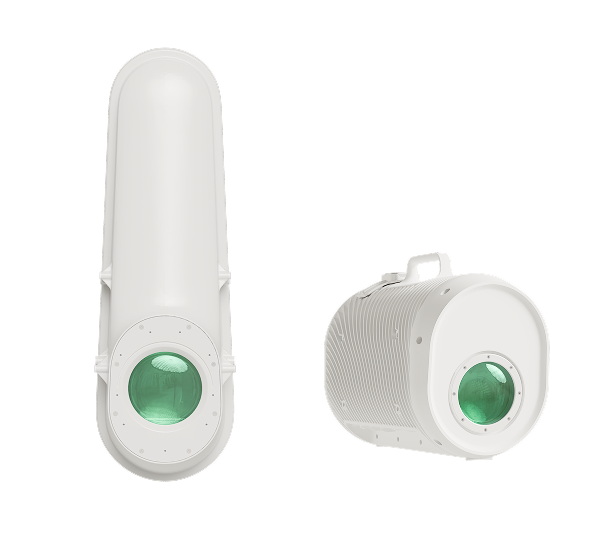
From open terrain to bustling communities, Taara’s suite of products provides fast, flexible, and reconfigurable connectivity using Wireless Optical Communication (WOC) — narrow, invisible beams of light transmitting data through the air at super fast speeds. Taara’s solution portfolio starts to solve for network expansion end-to-end:
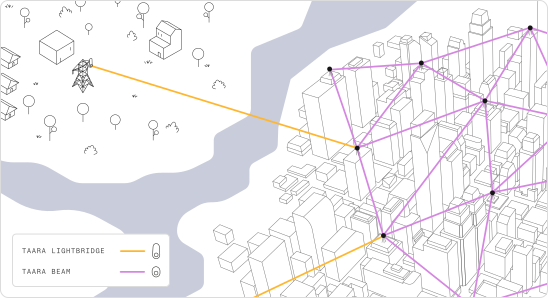
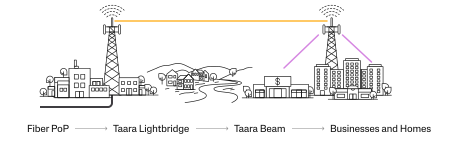
- Built for distance and long-distance backhaul, Taara Lightbridge extends high-capacity connectivity across long distances and challenging terrain.
- Built for expansion, Taara Beam distributes that capacity within cities and towns, scaling across dense environments and demanding enterprise sites.
Together, they create a clear path from the internet backhaul to local distribution — fast.
The Problem
Why traditional connectivity infrastructure is falling behind
Fiber and mobile operators and enterprises cannot keep pace with the growing demand for data:
1. Long timelines
Fiber permits and builds that take months — if not years
2. High costs
Trenching, towers, right of way, restoration, and maintenance
3. Physical barriers
Water bodies, hills, forests, railways, roads, and construction
4. Power consumption
High lifecycle carbon emissions from installation to maintenance
5. Spectrum scarcity
Signal interference, congestion, licensing and coordination
6. Security
High probability of detection and interference, vulnerability to outage
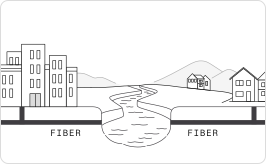
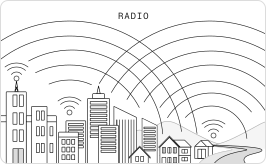
The result is a widening gap: the network exists — but not where it’s needed most.
The Solution
One portfolio. Two roles: backhaul and distribution
Taara Lightbridge
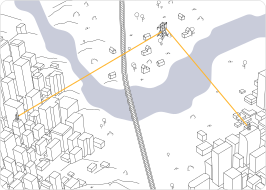
Built for distance, Taara Lightbridge delivers high-speed, secure connectivity across long distances up to 20 km. It rapidly extends networks from a fiber point of presence — no digging, stringing cables, or coordinating spectrum. This product is ideal for:
- connecting remote, rural communities
- bridging natural or man-made barriers
- extending fiber where builds are slow or cost-prohibitive
Taara Beam
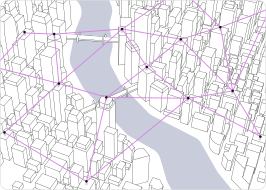
Once huge capacity reaches a community, Taara Beam takes over — extending high-speed connectivity in a compact form factor optimized for dense environments.
Where networks need to move and expand fast, Taara Beam can rapidly expand networks into a resilient mesh. This product is ideal for:
- connecting dense urban metros, rooftop to rooftop
- extending enterprise and data center connectivity
- deploying backhaul or fronthaul differentiated services
Use cases
Fiber Extension Without Fiber
Extend high-capacity connectivity from a fiber point of presence to new sites without trenching or stringing cables
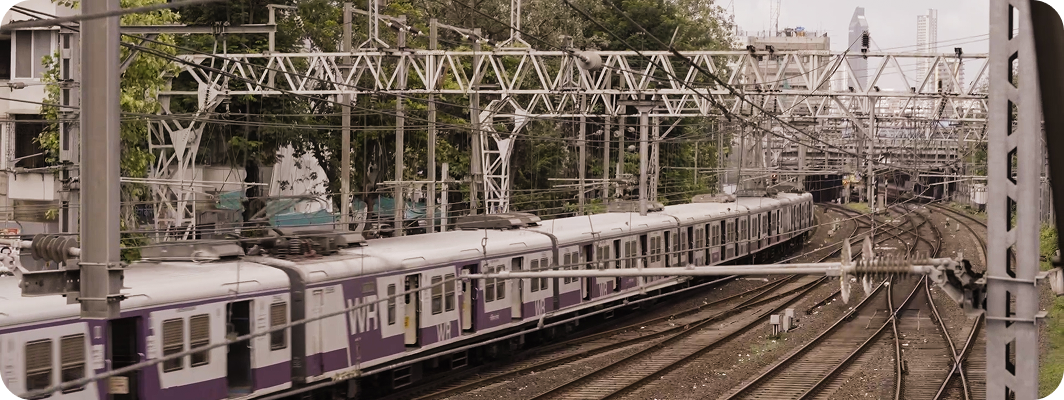
Cross-Barrier Connectivity
Bridge challenging terrain like rivers, railroads, and mountains or across islands
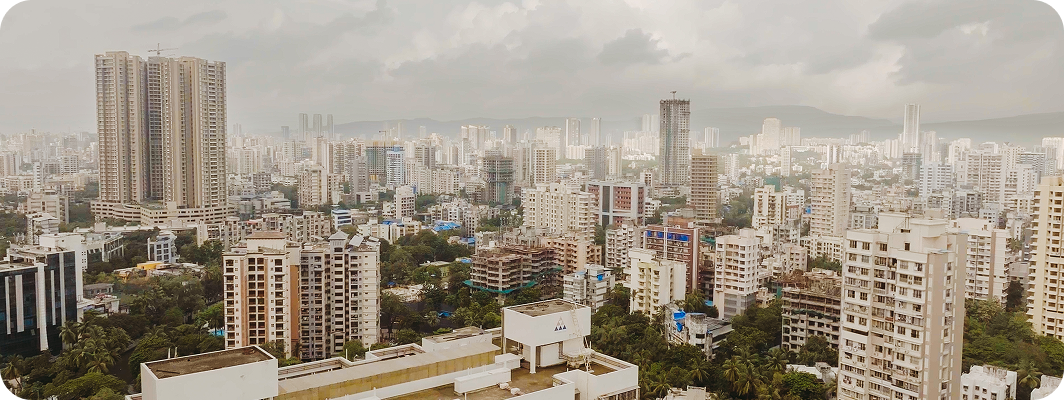
Rapid Capacity Augmentation
Deliver high-bandwidth backhaul to congested cell sites where spectrum is slow or expensive to license
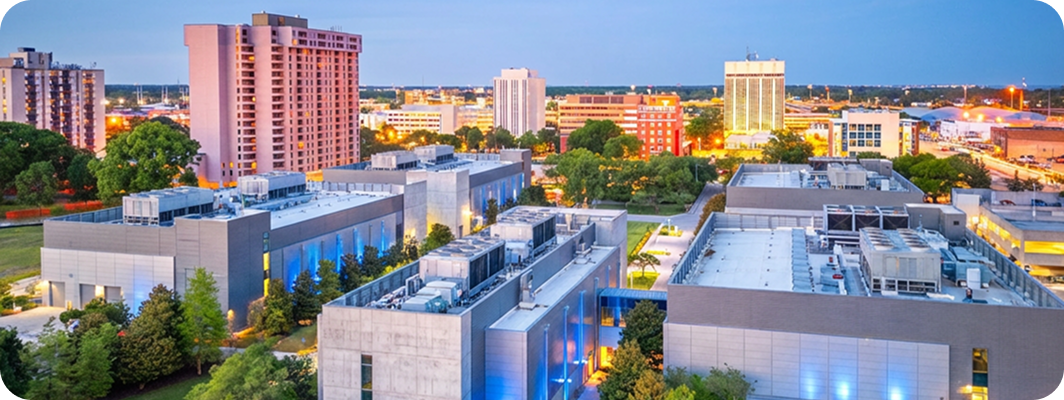
Set Up New Campus Builds
Scale coverage by rapidly deploying high-speed connectivity to data centers and new campus builds
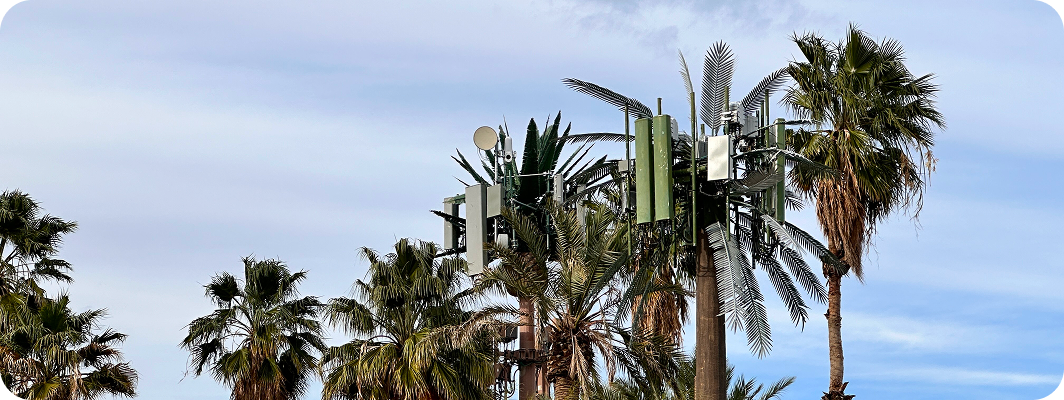
Pop-Up Connectivity for Emergency Operations
Support rapid deployment for temporary sites cell-on-wheels, urban activations, or disaster recovery
Resilient Network Operations
Create secure multiband and mesh networks in metro or enterprise environments to improve uptime and reliability
Data sheet
Taara Lightbridge
| Parameter | Value |
| Throughput | 20Gbps full-duplex with adaptive data rate |
| Range | 0.4 km to 20 km |
| Latency | Minimum latency < 227 μs; including time of flight up to 20 km; Mean latency < 5 μs; Maximum latency < 100 μs |
| Dimentions | 220 mm x 240 mm x 750 mm |
| Weight | 13 kg |
| Power Consumption | 40 W typical; 60 W maximum |
| Regulatory Compliance | IEC 62368-1, 60950-22, FCC 15.b, EN 300 386 |
| Supported Data Protocol | IEEE 802.3 10 GbE |
Taara Beam
| Parameter | Value |
| Throughput | 25Gbps full-duplex |
| Range | 0.1 km to 10 km |
| Latency | Minimum latency < 83 μs; including time of flight up to 10 km; Mean latency < 5 μs; Maximum latency < 100 μs |
| Dimentions | 210 mm x 250 mm x 390 mm |
| Weight | 8 kg |
| Power Consumption | 90 W typical; 125 W maximum |
| Regulatory Compliance | IEC 62368-1, 60950-22, FCC 15.b, EN 300 386 (Planned) |
| Supported Data Protocol | IEEE 802.3, 10 GbE, 25 GbE; SyncE and PTP (IEEE1588v2 transparent mode) |